
AUTOMOTIVE
Automobiles are complex dynamic systems. Ride quality and performance are dependent upon effective suspension systems. Some high performance vehicles also incorporate active suspension systems and tuned inerters to optimize their dynamic behavior, reducing impact and increasing tire contact with the road. Additionally, drive train systems introduce vibration into the vehicle that must be mitigated with isolation mounts or dampers to ensure a smooth ride. We can model these complex systems with unique suspension features and active systems to design and quantify likely performance impacts for unique suspension designs.

MARINE CONSTRUCTION
Marine construction presents many dynamic challenges. Some of these challenges include currents acting on cylindrical structures or oil-rig risers resulting in vortex-induced vibrations. Other challenges include supporting vertical structures during installation while exposed to wave motion and dynamics. Especially vulnerable, the tower components of offshore wind turbines exhibit lower frequencies than their land-based counterparts making construction and installation phases more susceptible to vortex-induced vibrations and other problems. Sasquatch Solutions owns and operates the leading codes to compute dynamic vortex shedding loads.

WIND ENERGY
Wind turbines suffer from vibration loads that limit the life cycle of components. Even with an impossible perfect balancing between the blades, asymmetrical aerodynamic loading, blade passage by the tower, and gearbox components all create vibration that is the leading cause of component failure. Sasquatch Solutions engineers developed patented tuned damper technologies currently in use by some customers in the wind turbine industry.

CONSTRUCTION
Precision control of construction cranes is a difficult problem and swaying payloads, especially in the presence of wind, cause increased risk and construction delays. Complex controllers are often employed to artificially stabilize the load. However, performance of these controllers can erode in some use cases and conditions. Sasquatch Solutions can provide better performing control laws in many instances. Additionally, tall slender structures are subject to vortex shedding. Sasquatch Solutions owns and operates the leading codes to compute dynamic vortex shedding loads so that proper solutions can be employed.

AEROSPACE
Every aerospace vehicle is susceptible to damaging vibrations or unstable dynamics. Large manufacturers have teams of engineers specializing in these fields to prevent and mitigate those problems. However, these problems can persist into the small drone designs as well. In addition to damaging vibrations, drones can also emit annoying acoustics. At Sasquatch Solutions, we can help manufacturers overcome these vibration and dynamic problems.

SKI & WAKE BOATS
Competition-grade boats within the ski boat and wake boat industry have GPS-based speed control systems to maintain proper speed during competitions. Boat speed is critical in many different events, and speed control systems even incorporate magnets in floating buoys so that the controller can anticipate the extreme dynamic load imposed by the skier. However, these systems require complex setup and input about skier weight and ability levels in order to reach optimum performance. Sasquatch Solutions can design adaptive controls to learn and anticipate the pull from each skier within each course while expending significantly less time in setup and tuning to substantially outperform traditional PID controllers.
SHIPBUILDING
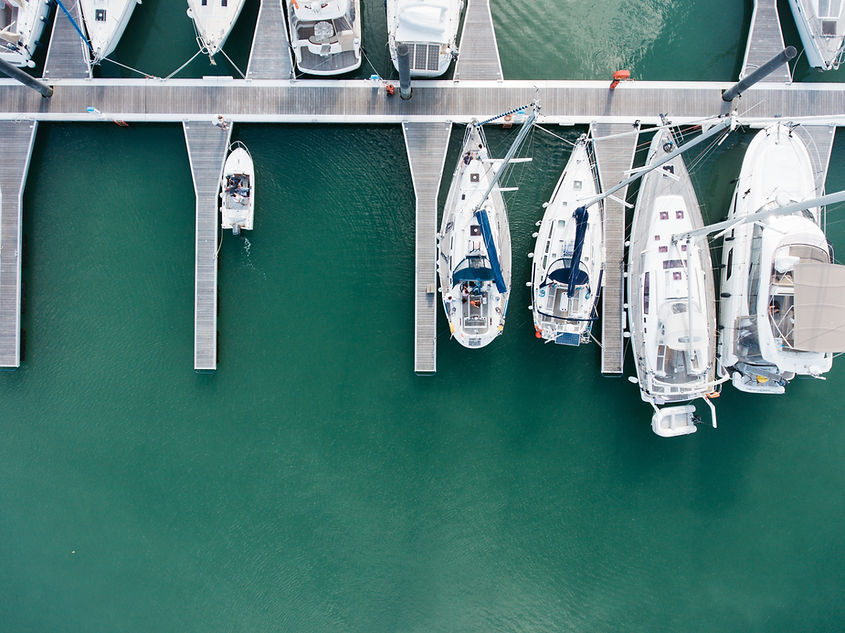
Many ships rely on ride quality systems to maintain stability in rough seas. These include active fins mounted to the hull, which adjust in real time to counteract wave motion, as well as ballast systems that shift water or weight between opposite sides of the vessel to reduce rolling. Both approaches depend on active control technologies to respond effectively to changing conditions. Our expertise in active controls enables us to develop improved control laws that enhance stabilization and deliver a smoother ride.